I have been thinking a lot recently about the social model of disability (that’s two posts about it now), as I delivered a workshop about this. The easiest way to understand it is seeing that it sits opposite to the deficiency model, or the medical model of disability. This might list a set of ‘issues’ or ‘problems’, a list of characteristics or key features about the person with the condition. For example, a person with Down’s Syndrome has slanted eyes, low muscle tone etc. It might be something you find in a medical journal and, don’t get me wrong, these things are true and reflect the majority, so you might very well perceive them as facts. The problem is, we have a different relationship with facts now. We are very aware that facts can be found to be untrue, perceived wrongly and delivered selectively. In the social model of disability (reflected and defined by the World Health Organisation), we focus on strengths and then acknowledge the barriers so we can provide the support.
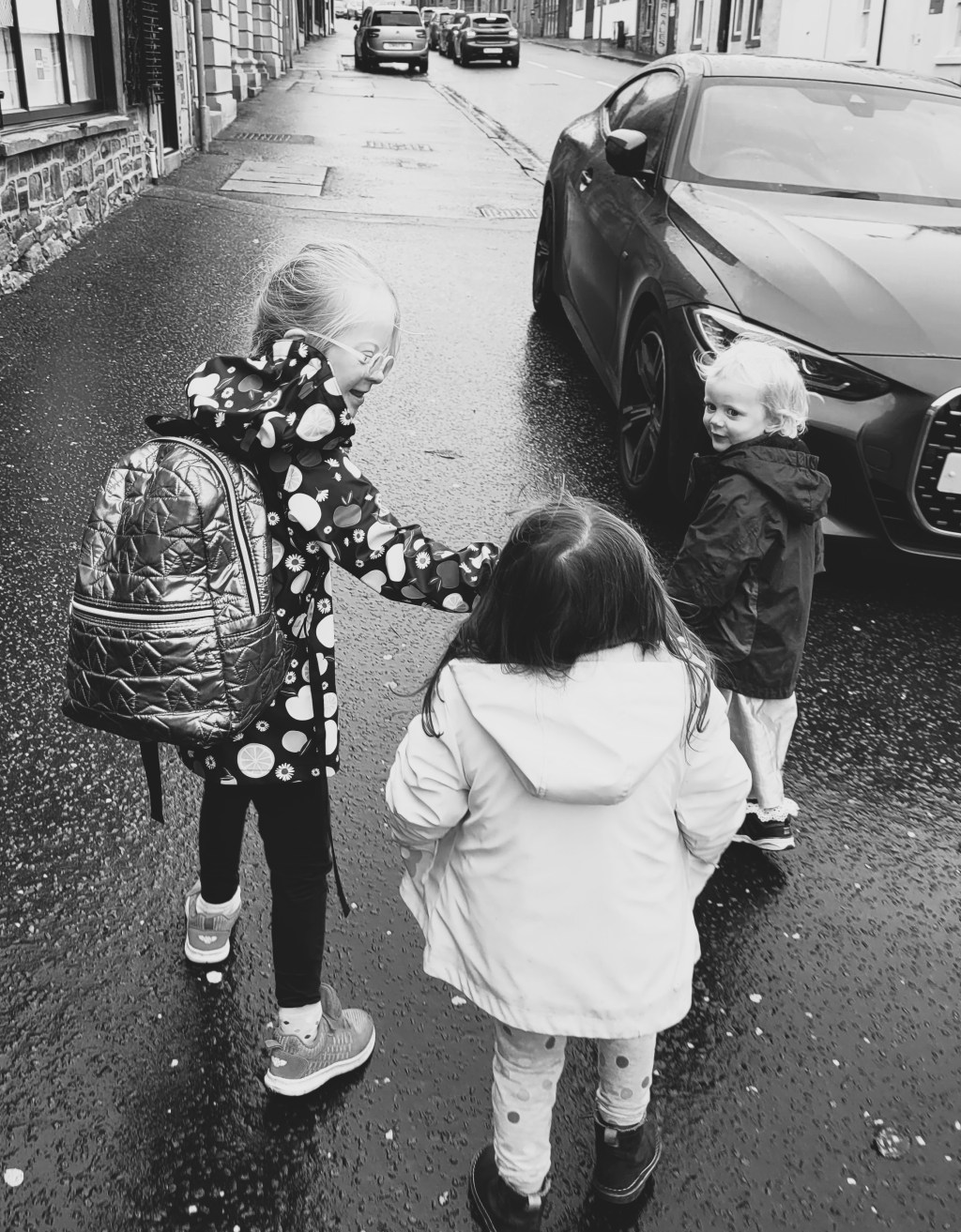
As I thought about this after the workshop, I tried to decide where Trudy’s strengths sat within her learning profile at school and I struggled with this. I can hear you gasp. How can a mother of a person with Down’s Syndrome not be able to list her strengths? Of course, I can tell you these, but I suppose the traditional model of what young people are supposed to be good at doesn’t work for her. For example, you might say of a typical child that they’re really good at school, they play a lot of sport, they are confident and sociable, a great artist. Well, I would say the same thing for Trudy, just perhaps not in the way you’re thinking. ‘Really good at school’ means for her being able to listen to the teacher, be helpful, be kind towards others, and willing to participate, not obstructive. It might mean for her brother (who does not have Down’s Syndrome), a good understanding of number, wonderful creative writer, great artist, very sporty. In short, he is fitting into the neat categories of a Victorian education which focused on the arts, maths, science, literature and the social sciences as separate and non-interactive parts. I would beg the question though about how this measures his ability to work with other people, listen, engage and problem solve. These are all key skills which are being developed at school and within the curriculum but not always measured in terms of academic progress.
The strengths of someone with Down’s Syndrome are therefore listed amongst the qualities that we value as adults: kindness, fun, affection, generosity of spirit and I wonder how you harness these and incorporate them into a learning profile? Can a learning profile be solely dependent on deficiencies, or can it celebrate what these characteristics bring to a learner or a whole set of learners in the classroom?
The answer to this came when I saw a certificate of achievement in my daughter’s bag. It wasn’t about understanding fractions or writing the most creative story, it was about being a “responsible citizen” when looking after another pupil when they were upset. On a simple piece of paper, the school had captured what it is to be a good human being and celebrated the wider role that we play, which sits well beyond academic achievement.
 just a little sister
Leave a comment